







If your skin turns shiny by noon, the idea of putting oil on your face probably sounds ridiculous. Yet skincare shelves are full of cleansing oils, and every second reel tells you to "double cleanse." So what's the truth? Do you need an oil cleanser for oily skin, a gel based cleanser, or both?
Short answer: it depends on your evening routine, not on how oily your skin is. Let's break it down.
First, Why Oily Skin Needs Smarter Cleansing
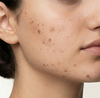
Oily skin isn't "dirty skin." It simply has overactive sebaceous glands, and that sebum mixes with sweat, pollution and sunscreen through the day. In humid cities, the pile-up gets heavier. Left sitting in pores, it turns into blackheads, whiteheads and eventually inflamed pimples.
The instinct is to scrub harder or reach for the strongest wash. That usually backfires. Stripped skin loses moisture, and a damaged barrier often responds by producing more oil. The goal is thorough cleansing without that tight, squeaky feeling.
How an Oil Cleanser Works
The principle is simple: oil dissolves oil. A cleansing oil binds with sebum, waterproof sunscreen, makeup and pollution particles, which plain water-based washes can leave behind. Most modern cleansing oils contain emulsifiers, so when you add water they turn milky and rinse off clean.
An oil cleanser for oily skin is mainly useful if:
- You wear a water-resistant or tinted sunscreen every day
- You use foundation, BB cream, kajal or long-wear makeup
- You've noticed tiny rough bumps on your forehead or chin that never fully clear
Oil cleansers work well at removing those oil-based films, but they are not treatments. They don't fight acne bacteria, and they don't have the "reset" feeling many oily-skin people like.
How a Gel Cleanser Works
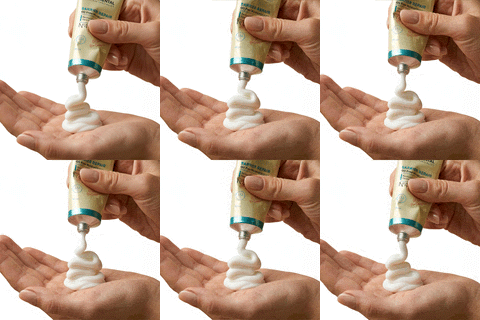
A gel is water-based, lightweight and usually lightly foaming. It lifts away excess sebum, sweat and surface dirt, then rinses off without residue. That's why dermatologists and brands alike point oily and acne-prone skin toward gels for daily use.
A gel based cleanser has another advantage: it can carry active ingredients. Because the texture is light and spreads evenly, ingredients like benzoyl peroxide or salicylic acid can be spread across the whole face without feeling heavy.
Where gels fall short is stubborn oil-based products. If you wore waterproof sunscreen all day, a single gel wash may not dislodge all of it.
Oil Cleanser vs Gel Cleanser: Side-by-Side
|
Feature |
Oil Cleanser |
Gel Cleanser |
|
Base |
Oil, emulsifies with water |
Water |
|
Best at removing |
Sunscreen, makeup, surface sebum |
Sweat, dirt, excess oil, pore buildup |
|
Feels like |
Smooth, slippery, then milky |
Fresh, light, slightly foamy |
|
Can treat acne? |
No |
Yes, if it contains actives |
|
Ideal time |
Evening, first step |
Morning and evening |
|
Risk if overused |
Residue if rinsed poorly |
Dryness if the formula is harsh |
|
Works alone? |
Not for acne-prone skin |
Yes, on low-makeup days |
So, Do You Actually Need Both?
Here's the practical way to decide.
You need both if: you wear sunscreen plus makeup, or you use a strong water-resistant SPF and go out for long hours. At night, start with the oil to melt everything off, then follow with a gel to clean the pores themselves. This is the classic double cleanse.
One gel is enough if: you wear a light, everyday sunscreen, little or no makeup, and mostly stay indoors or in an office. A good gel cleanser handles that without trouble. Adding an oil step on top just adds time, and sometimes more congestion if you rinse lazily.
Mornings are simple: you don't need an oil cleanser at all. A gentle gel wash (or even water, if your skin is dry-ish) is plenty.
A quick test: after washing with your gel at night, wipe a cotton pad with a little micellar water across your cheek. If it comes back tinted or greasy, you probably do need that first oil step.
Choosing an Acne Face Wash That Actually Treats
If breakouts are your main worry, the second cleanse matters more than the first. A good acne face wash should do three things: clean oil, calm bacteria, and leave your barrier intact. Many people choose one of two extremes, a very mild wash that does nothing for pimples or a harsh one that wrecks their skin.
Ingredients worth looking for:
- Benzoyl peroxide (low strength): targets acne-causing bacteria and reduces inflammation. Lower percentages are often just as effective with far less irritation.
- Salicylic acid: a BHA that goes inside pores and loosens the oily plug behind blackheads.
- Panthenol, allantoin, hyaluronic acid: calming and hydrating helpers that soften the blow of actives.
Things to avoid: strong fragrance, alcohol-heavy formulas and gritty scrubs.
Where Dr. Fundamental Dermaclar Fits In
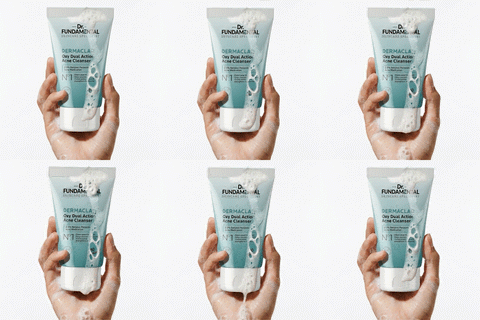
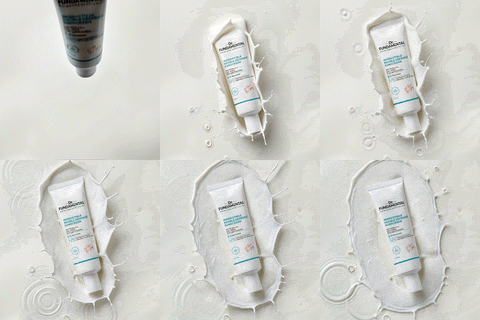
If you're looking for a treating gel based cleanser, the Dermaclar Oxy Acne Cleanser from Dr. Fundamental is built for exactly this gap. It's a 120 ml gel with 2.5% encapsulated benzoyl peroxide, plus salicylic acid, hyaluronic acid, panthenol and allantoin in the base. It's fragrance-free, non-comedogenic and positioned for oily, combination and acne-prone skin, including sensitive types.
According to the brand's own clinical figures, 93% of acne-causing bacteria were eliminated within one minute of use, and 97% of participants noticed a visible reduction in acne with fewer new breakouts. Treat those as brand-reported results and remember that individual outcomes vary.
To be clear on what it isn't: Dermaclar is not an oil cleanser. It's your second-step, treating wash. On heavy sunscreen or makeup days, melt those off with a cleansing oil first, then use Dermaclar. On light days, it works fine as a stand-alone cleanse. It's priced at ₹499 on the brand store.
How to use it:
- Massage a small amount onto damp skin.
- Leave it on for about two minutes so the actives can work.
- Rinse well with lukewarm water.
- Follow with serum, moisturiser and, in the daytime, sunscreen.
Use it up to twice a day depending on tolerance. Mild tingling at first is normal. If your skin gets irritated, drop to once daily, and always patch test before starting.
A Sample Routine for Oily, Acne-Prone Skin
Morning
- Gel cleanser (acne-fighting if you're breaking out)
- Lightweight serum
- Oil-free moisturiser
- Sunscreen
Evening (heavy SPF or makeup)
- Cleansing oil, massaged on dry skin for a minute, then emulsified and rinsed
- Gel cleanser, the treating one
- Serum
- Moisturiser
Evening (light day)
- Gel cleanser only
- Serum and moisturiser
Common Mistakes to Skip
- Washing five times a day. Twice is enough. Over-washing triggers more oil.
- Skipping moisturiser because your face feels greasy. Dehydrated oily skin is very common.
- Mixing too many actives. A cleanser with benzoyl peroxide and salicylic acid already counts as active care, so don't stack retinol or strong exfoliants on top unless a dermatologist says so.
- Quitting in week one. Some people see a short purge of 2 to 3 weeks as deep congestion surfaces. If breakouts spread to new areas or last beyond four weeks, stop and see a dermatologist.
- Rubbing cleansing oil off with a towel. Always add water and emulsify first, or residue can clog pores.
The Bottom Line
You don't need an oil cleanser and a gel cleanser every single day. You need the right tool for what's on your face. Heavy sunscreen or makeup? Oil first, gel second. Light day? A well-formulated gel does it all. And if pimples are the reason you're reading this, put your money into the second step, because that's the one that treats.


